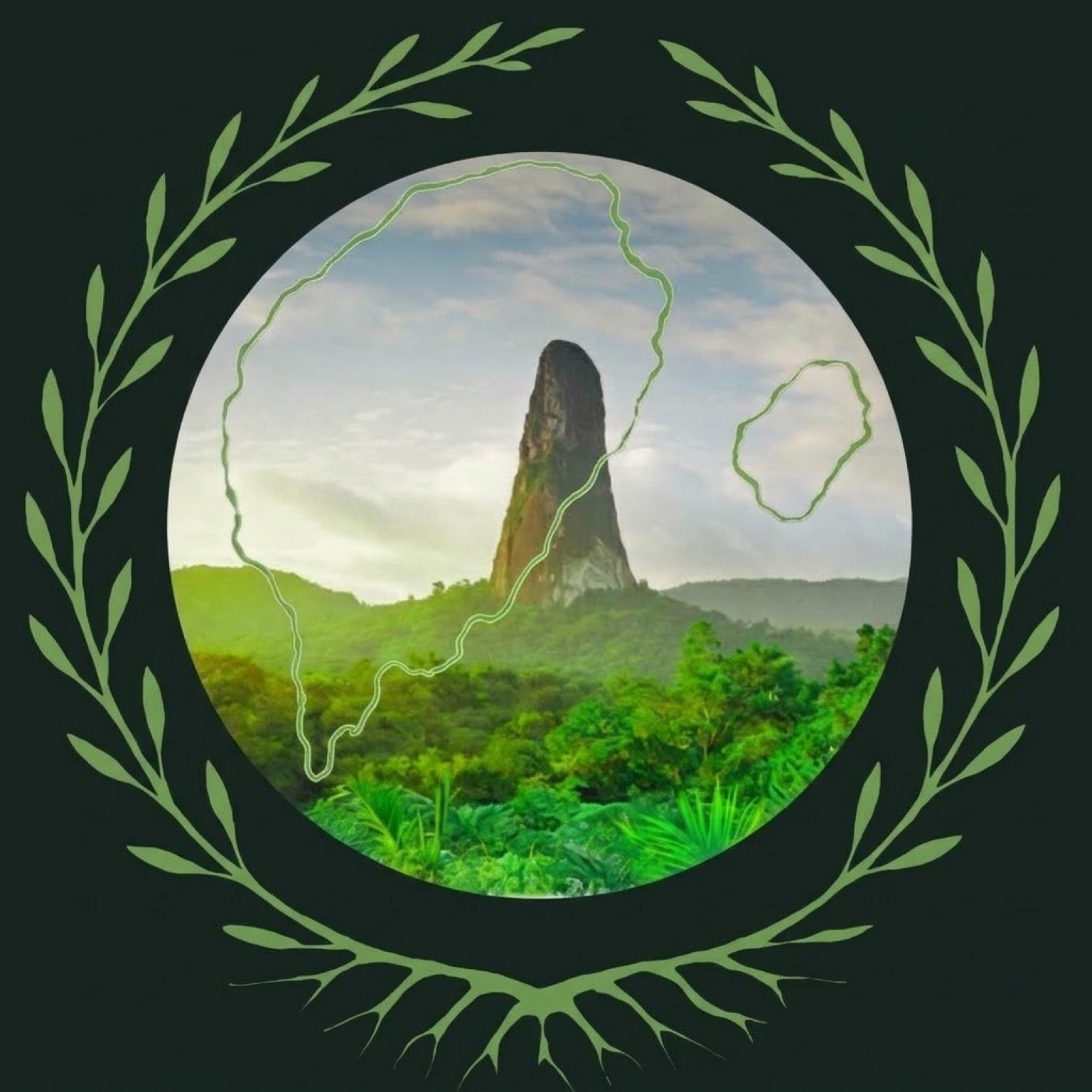
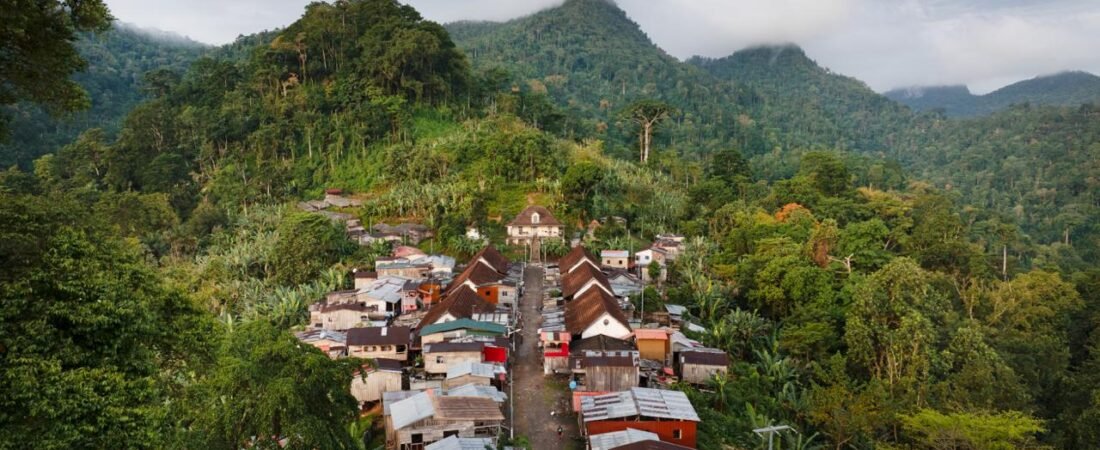
Rising from the Gulf of Guinea, the islands of São Tomé and Príncipe host a unique interplay of world-class natural biodiversity and rich agricultural history. Recognized globally by UNESCO, this island nation preserves irreplaceable ecosystems while safeguarding the architectural and cultural legacy of its historic cocoa and coffee plantations, known as roças.
UNESCO Recognition: Global Biosphere Reserves
The entire island of Príncipe was designated a UNESCO Biosphere Reserve in 2012, honoring its untouched primary rainforests, marine sanctuaries, and high rate of endemic species. In 2021, UNESCO expanded this protection by designating São Tomé Island as a Biosphere Reserve as well, creating a comprehensive conservation framework across the archipelago.
-
Primary Rainforest Conservation: Protecting critical habitats within Obô National Park, where rare flora, endemic amphibians, and unique bird species thrive.
-
Marine Biodiversity: Safeguarding pristine waters that serve as nesting grounds for endangered sea turtles and transit zones for migrating cetaceans.
-
Sustainable Living: Promoting eco-tourism initiatives that support local communities while maintaining ecological integrity.
The Roças: Historical Centers of Cocoa and Coffee
During the late 19th and early 20th centuries, São Tomé and Príncipe emerged as one of the world’s leading producers of high-quality cocoa and coffee. At the center of this economy were the roças—sprawling plantation complexes engineered as self-contained communities with industrial structures, worker accommodations, hospitals, and grand manor houses (casas grandes).
Selected roças stand out today for their exceptional historical, architectural, and cultural significance:
-
Roça Agostinho Neto (formerly Rio do Ouro): The largest plantation complex on São Tomé, famed for its grand neoclassical hospital building, sweeping avenues, and impressive industrial layout.
-
Roça Sundy (Príncipe): A venue of global scientific history where Sir Arthur Eddington conducted the 1919 eclipse experiment that provided observational proof for Albert Einstein’s Theory of General Relativity.
-
Roça Água Izé: A coastal plantation featuring dramatic ocean views, historical rail transport infrastructure, and intact processing mills that showcase late-Industrial Era engineering.
-
Roça Monte Café: Perched in the cool highlands of São Tomé, this estate remains a central hub for coffee production, offering insight into traditional cultivation practices.
Preserving a Living Heritage
Today, efforts are underway to preserve and rehabilitate these historical sites, balancing cultural conservation with community development. Many roças have been repurposed into boutique eco-lodges, museums, and community hubs, allowing visitors to experience authentic local gastronomy, sample fine single-origin chocolate, and appreciate the complex history of the islands.
Plan your visit to São Tomé and Príncipe to explore the intersection of protected volcanic landscapes and rich agricultural history in the heart of the Atlantic.